1
Chẩn đoán
Đánh giá mức sẵn sàng làm Business Analyst
Chấm từng chiều kỹ năng và cho ra hồ sơ — biết mình đứng ở đâu trước.
Làm bài này Product Management
Process mapping và BPMN từ beginner đến expert: as-is/to-be workflow, swimlanes, gateways, exceptions, handoffs, bottlenecks, case studies và best practices.
Đăng nhập để đánh dấu kỹ năng và theo dõi tiến độ.
Process mapping là cách vẽ lại quy trình thật đang diễn ra để mọi người nhìn cùng một thực tế: ai làm gì, theo thứ tự nào, dùng system nào, chờ ai approve, chỗ nào bị delay, và khi có lỗi thì đi đâu. BPMN là một notation chặt hơn để mô tả process bằng event, task, gateway, swimlane, message flow và exception flow.
Với BA/PM, skill này quan trọng vì rất nhiều product problem thực ra là process problem: handoff không rõ, policy mơ hồ, thiếu owner, duplicate data entry, approval quá nhiều bước, hoặc system không phản ánh cách team làm việc thật.
Rule đơn giản: đừng design solution trước khi hiểu process hiện tại. Nếu bạn không vẽ được as-is process, khả năng cao bạn chưa hiểu vấn đề đủ sâu.
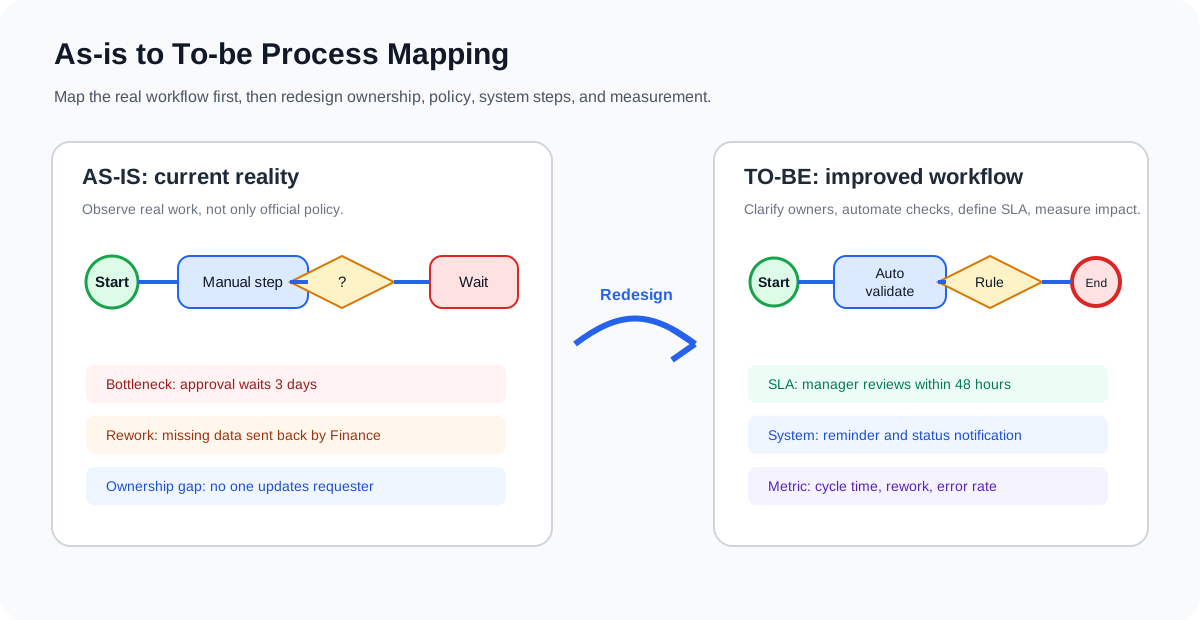
| Roadmap wording | Ý nghĩa khi học skill này | Artifact / evidence | Bài tập thực hành |
|---|---|---|---|
| Vẽ quy trình (Process mapping) | Beginner level: vẽ flow dễ hiểu để stakeholder cùng xác nhận cách công việc thực sự diễn ra. | As-is flowchart, pain point list | Vẽ quy trình hiện tại của một approval process trong 8-12 bước. |
| BPMN / process modeling | Junior/Senior BA level: dùng notation rõ hơn như events, tasks, gateways, swimlanes, exceptions. | BPMN diagram có swimlanes và gateways | Thêm owner, decision point, exception path vào flow đã vẽ. |
| Process mapping | Foundation skill: phát hiện bottleneck, rework, handoff, SLA, data gaps và ownership gaps. | Process map + improvement backlog | Đánh dấu 3 bottlenecks và đề xuất 3 product/process fixes. |
| Level | Người học cần biết | Output tốt trông như thế nào? | Common mistake |
|---|---|---|---|
| Beginner | Flowchart, start/end, step, decision, owner. | Stakeholder nhìn vào hiểu ngay quy trình hiện tại. | Vẽ đẹp nhưng thiếu owner và exception. |
| Junior BA | Swimlane, handoff, decision point, input/output. | Ai làm gì, khi nào chuyển bước, data nào đi kèm. | Gộp nhiều activity vào một box quá lớn. |
| Senior BA / PM | BPMN event, gateway, message flow, SLA, exception path. | Process đủ rõ để Engineering, QA, Ops và business validate. | Chỉ vẽ happy path, bỏ qua fail/retry/escalation. |
| Lead / Expert | Operating model, controls, metrics, automation opportunities. | Map connect được process, policy, system, people, risk và metrics. | Tự động hóa quy trình tệ thay vì redesign quy trình. |
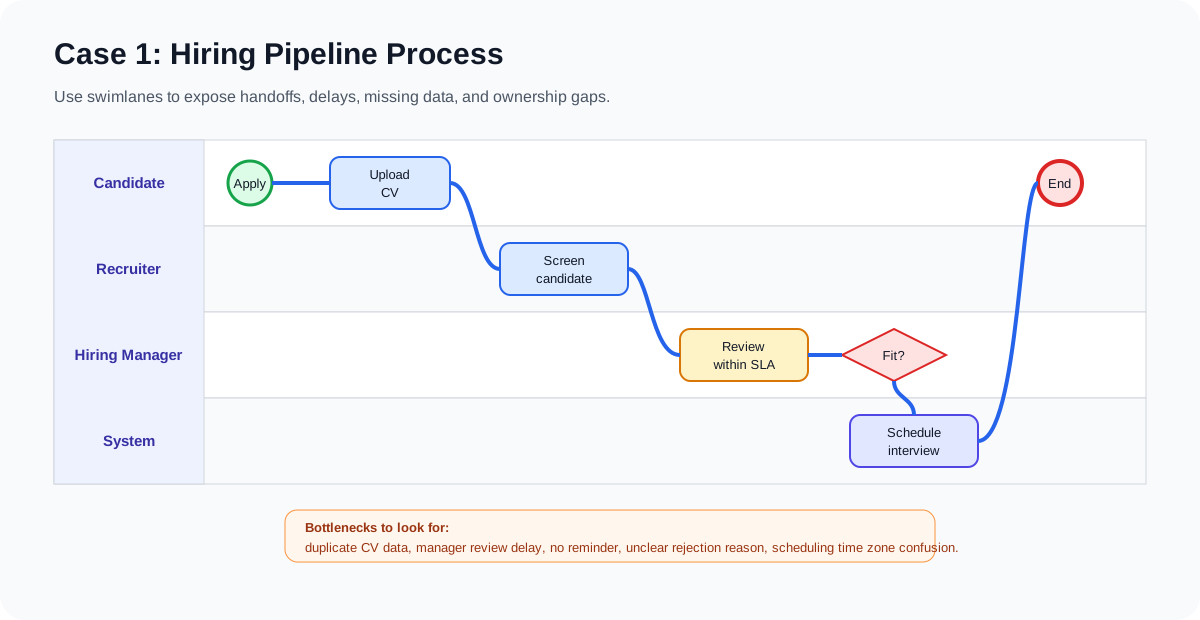
Problem: HR team mất candidate vì review CV quá chậm, hiring manager không biết ai cần approve, candidate bị hỏi lại thông tin đã nộp.
As-is process: Candidate applies -> HR downloads CV -> HR forwards email to hiring manager -> manager replies late -> HR schedules interview manually -> candidate no-shows because time zone not confirmed.
Issues found: duplicate data entry, no SLA, no candidate status, no owner for late manager response, no reminder, no structured rejection reason.
| Process step | Owner | Problem | To-be improvement | Product requirement |
|---|---|---|---|---|
| CV intake | Candidate / System | Manual download and naming | Auto create candidate profile | Parse PDF/DOCX and store original file |
| Screening | Recruiter | No consistent criteria | Scorecard and fit tags | Recruiter can rate Must-have, Nice-to-have, Risk |
| Manager review | Hiring manager | No SLA | 48h review SLA with reminders | Send reminder when review pending > 24h |
| Interview scheduling | Recruiter / Candidate | Timezone confusion | Candidate chooses available slots | Calendar integration and timezone display |
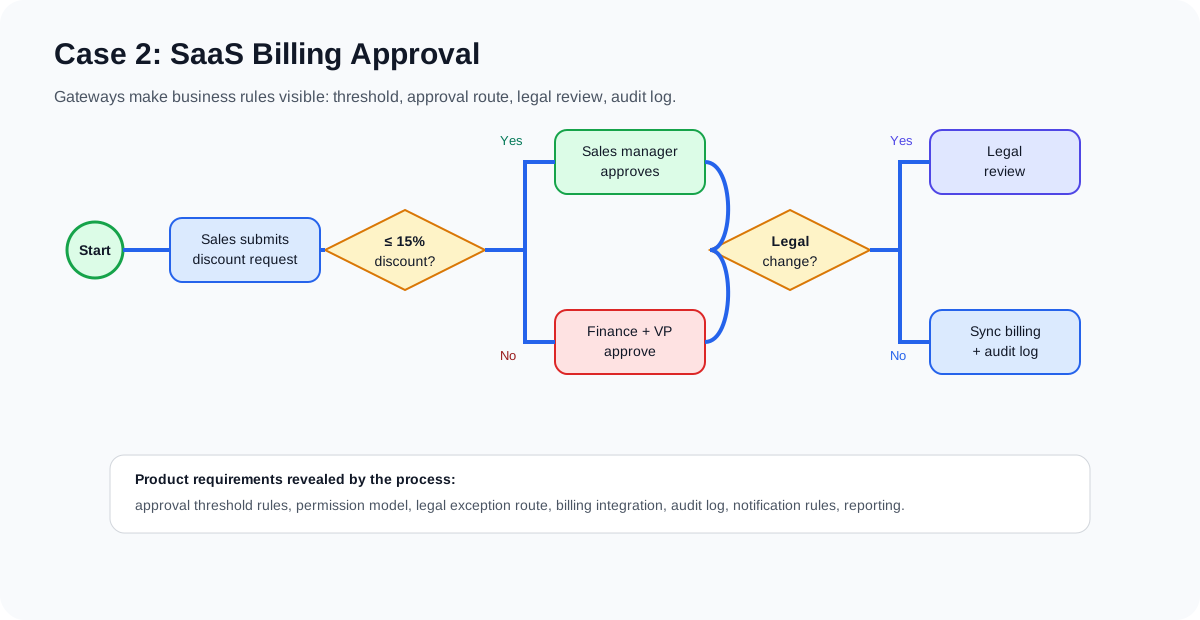
Situation: Sales gives custom discount, Finance approves by email, Legal joins late, Engineering needs plan rules but receives unclear requirements.
What process mapping reveals: discount approval is not a feature request only. It has pricing policy, approval threshold, contract terms, billing system, audit log and customer communication.
BPMN elements to include:
Product output: approval workflow, permission model, audit log, notification rules, billing integration and analytics on discount approvals.
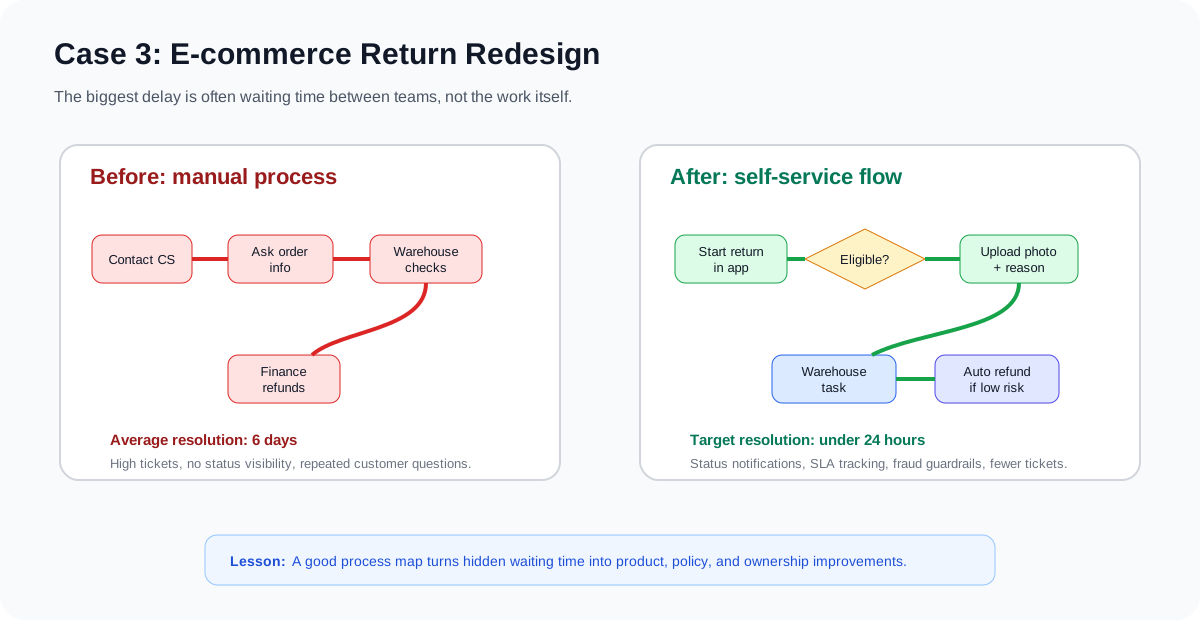
Before: Customer contacts support, support asks for order info, warehouse checks item manually, finance refunds manually. Average resolution time: 6 days. Support tickets: high. Customers complain they do not know status.
Process map finding: 70% of delay is waiting time between support and warehouse. The actual inspection takes only 10 minutes. No one owns status communication.
To-be process: Customer starts return in app -> system validates return window -> customer selects reason and uploads photo -> warehouse receives task -> refund auto-approved for low-risk items -> customer gets status notifications.
Outcome metrics: resolution time, tickets per return, refund error rate, fraud rate, customer satisfaction, warehouse SLA.
Lesson: process mapping helps find leverage. The fix was not just "build return page"; it was redesigning ownership, validation rules, notification and refund policy.
| Tool | Best for | When to use |
|---|---|---|
| Miro / FigJam | Workshop, sticky notes, early process discovery | Khi cần collaborate với stakeholder và iterate nhanh. |
| Lucidchart / Draw.io | Clean flowcharts and BPMN diagrams | Khi cần publish diagram rõ ràng cho team. |
| Camunda Modeler | Formal BPMN | Khi process cần execution/workflow automation hoặc technical precision. |
| Notion / Confluence | Process documentation | Khi cần lưu context, decisions, metrics, links và version history. |
| Jira / Linear | Turn improvements into backlog | Khi to-be process đã được approve và cần delivery tracking. |
| Question | Why it matters | Evidence to collect |
|---|---|---|
| Process starts when? | Defines scope and trigger. | Event, request, form, ticket, email. |
| Who owns each step? | Finds accountability gaps. | Role/team/system owner. |
| What input is required? | Finds missing data and validation needs. | Fields, files, permissions, IDs. |
| What decisions happen? | Finds gateways and approval rules. | Decision criteria, thresholds, approvers. |
| What can go wrong? | Finds exception paths. | Error cases, retries, rejections, escalation. |
| How long does each step wait? | Finds bottlenecks. | SLA, average wait, max delay. |
| What system is used? | Finds integration and manual workaround. | CRM, ERP, email, spreadsheet, admin tool. |
| How do we measure success? | Connects process to outcome. | Cycle time, rework, error, satisfaction, cost. |
Chấm từng chiều kỹ năng và cho ra hồ sơ — biết mình đứng ở đâu trước.
Làm bài nàyHọc kỹ năng này ở đâu?
Có 3 khóa dạy đúng phần này, miễn phí và bằng tiếng Việt.
Thảo luận & tài liệu thêm 0
Chia sẻ kinh nghiệm, đặt câu hỏi, hoặc đính kèm tài liệu/YouTube giúp người khác học kỹ năng này.